

banner_image

Why Your Hair Secretly Loves Vitamin B12 💇‍♀️✨


Let’s be honest – when we think about vitamins for hair, most people jump straight to biotin. Poor vitamin B12 often sits quietly in the corner, waving its little hand, trying to get some attention. But here’s the truth: without enough B12, your hair is basically trying to grow while running out of fuel. Spoiler: that doesn’t end well.


The Energy Boost Your Follicles Crave ⚡


B12 is like the power station for your body. It helps produce red blood cells, and those little guys carry oxygen and nutrients straight to your scalp. No oxygen = sleepy hair follicles. Sleepy hair follicles = thinning, shedding, and hair that looks like it’s just given up on life.


Stress, Fatigue… and Flat Hair 😴


Ever feel exhausted, foggy, or stressed for no reason? That might be low B12 talking. And if your body is drained, your hair will be the first to show it. Think of B12 as your hair’s personal cheerleader – it keeps energy levels up, which means your scalp gets the message: “Grow, baby, grow!”


Shine, Strength & Serious Growth 🌟


Healthy levels of B12 mean your hair has the strength and shine to actually stick around. No more brittle ends or dull strands. Instead, your locks get that “I woke up like this” vibe (without the filter).


Where Do You Get It? 🍳🥩🥦


B12 hangs out in animal products – meat, fish, eggs, dairy. Vegetarians and vegans often need a supplement, because lentils alone just don’t cut it. And let’s be real, your hair deserves more than a diet of vibes and oat milk.


👉 Bottom line: If you want thick, healthy hair that actually grows, don’t ghost vitamin B12. It may not be the most glamorous vitamin, but it’s the one working overtime behind the scenes to keep your follicles alive, awake, and thriving.

So next time you think your shampoo is failing you – check your B12 levels first. Your hair might just be starving for a boost. 💛
banner_image

“Where Did My Hair Go?” – The Usual Suspects Behind Hair Loss

1. Genetics (androgenetic alopecia – thanks, family!)

Just like you inherit your grandma’s cheekbones or your dad’s love of bad jokes, you can also inherit hair loss. Genetic hair loss, also called androgenetic alopecia, makes your follicles extra sensitive to certain hormones. Result? Shorter growth cycles and thinner hair over time.


2. Stress – because hair has feelings too

When your brain is running faster than a hamster on a wheel, your body pumps out cortisol (the stress hormone). Cortisol politely tells your hair follicles: “Time for a nap!” Unfortunately, that “nap” means your hair slips into the resting phase and then falls out.


3. Fatigue and lack of sleep

When you’re running on empty, your body prioritises survival over beauty. Sleep-deprived and overworked? Your body thinks: “Who needs shiny hair when we need to keep the heart beating?” Hair is not “essential,” so it often gets the short end of the stick.


4. Vitamin and mineral deficiencies

• Iron and ferritin: These two are like premium fuel for your hair. Without them, oxygen transport slows down, and follicles suffocate a little. That’s when you notice more strands on your brush.

• Vitamin D, B vitamins, A, zinc: When they’re low, your scalp gets less support for growth and repair. Your hair basically shrugs and says: “I’ll just take a break.”


5. Scalp conditions & poor hair care habits

Dandruff, seborrheic dermatitis, psoriasis, fungal infections – none of them are invited guests, but they love to crash your scalp party. They damage follicles, irritate the skin, and push hair out prematurely.

Add to that excessive colouring, heat styling, or tight ponytails… and you’ve got the recipe for “follicle drama.”


6. Hormonal changes (thyroid, PCOS, menopause, etc.)

Thyroid disorders are like the bad DJ of your metabolism – messing up the rhythm. PCOS and menopause bring their own hormonal rollercoaster. Both can thin your hair faster than you can say “volume boost shampoo.”


7. Autoimmune conditions – when your body goes rogue

Sometimes the immune system mistakes hair follicles for intruders. The result is patchy bald spots (alopecia areata) or more widespread shedding. It’s like your body launched a war against its own hairstyle.


8. Seasonal shedding – autumn leaves, summer strands

Believe it or not, hair also follows the seasons. In spring and autumn, shedding is completely normal. Think of it as your scalp doing a little “spring cleaning.”

And now… a pinch of humour (because hair deserves it)


Imagine your hair going on strike:

“Not enough iron! Too much stress! Zero sleep! We’re out of here!” – and off they march, right into your shower drain.


But here’s the good news: you can negotiate with your follicles.

• Feed them right – balanced diet, plenty of iron, ferritin, vitamins.

• Give them rest – sleep well, relax, meditate (or at least Netflix without guilt).

• Check your health – hormones, thyroid, iron, and ferritin levels matter.

• Be gentle – style your hair, yes, but don’t torture it with daily heat and tight buns.

• Switch products when needed – sometimes your scalp just wants a little TLC.


✨ Bottom line: Hair loss happens for many reasons, but with a bit of care, lifestyle tweaks, and sometimes professional help, you can keep your locks stronger, healthier, and far less rebellious. And remember – stressing about hair loss only makes it worse… so take a breath, smile, and give your follicles a fighting chance!

banner_image

Brushing Your Hair – Friend or Foe?

When hair starts to fall out, many people panic and hide the brush deep in a drawer, convinced that brushing will only make things worse. Sounds logical, right? Less brushing = fewer hairs lost? Well… not exactly.


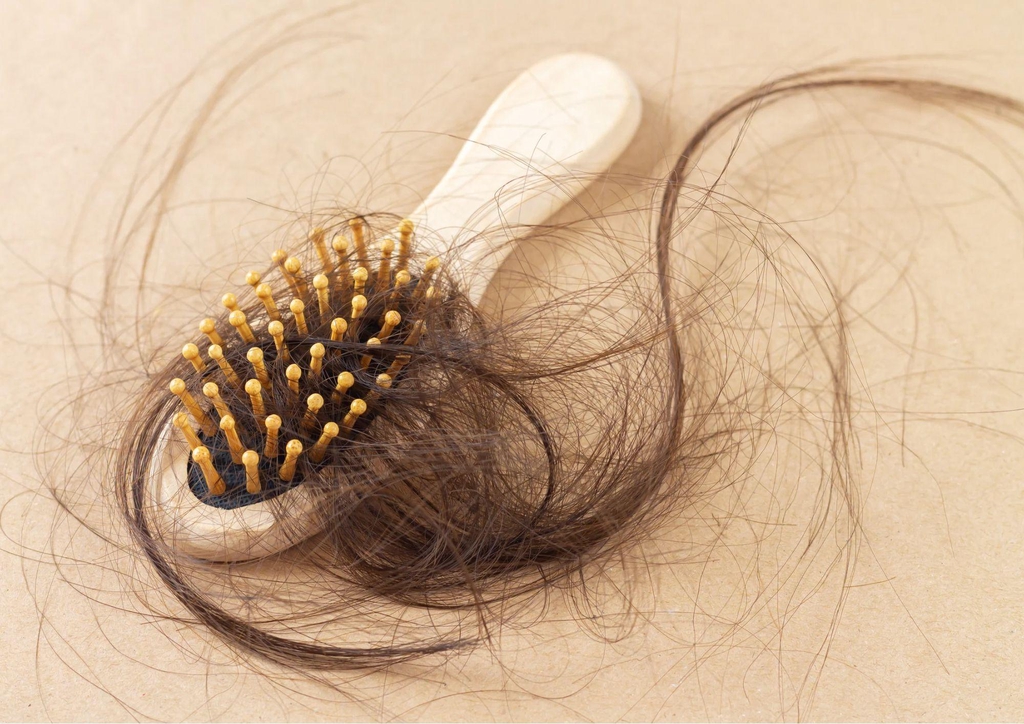
Here’s the truth: the hairs you see on your brush are not being ripped out by the cruel bristles. They’re simply the ones that already finished their job. Every hair follicle goes through phases, and when a hair has been in the resting phase (telogen) long enough, it’s ready to fall out. That decision was made by your follicle about three months earlier – long before you picked up your brush.


So what happens if you stop brushing altogether? Instead of protecting your hair, you’re actually making life harder for your follicles. Brushing isn’t just about detangling – it’s a mini massage for your scalp. It stimulates blood circulation, delivers nutrients to the hair bulbs, and keeps your scalp environment healthier. No brushing = less stimulation = weaker follicles. And weaker follicles = more hair loss. Ouch.


Think of it this way: brushing is like the gym session your hair never knew it needed. You wouldn’t expect your muscles to stay strong if you stopped moving, right? The same goes for your hair roots.


Conclusion: Don’t fear the brush! A good, gentle brushing routine is the best workout your hair can get. It keeps your scalp happy, your circulation flowing, and your follicles strong. So instead of avoiding your brush, treat it like your hair’s personal trainer.

Shopping Cart

    Your cart is empty